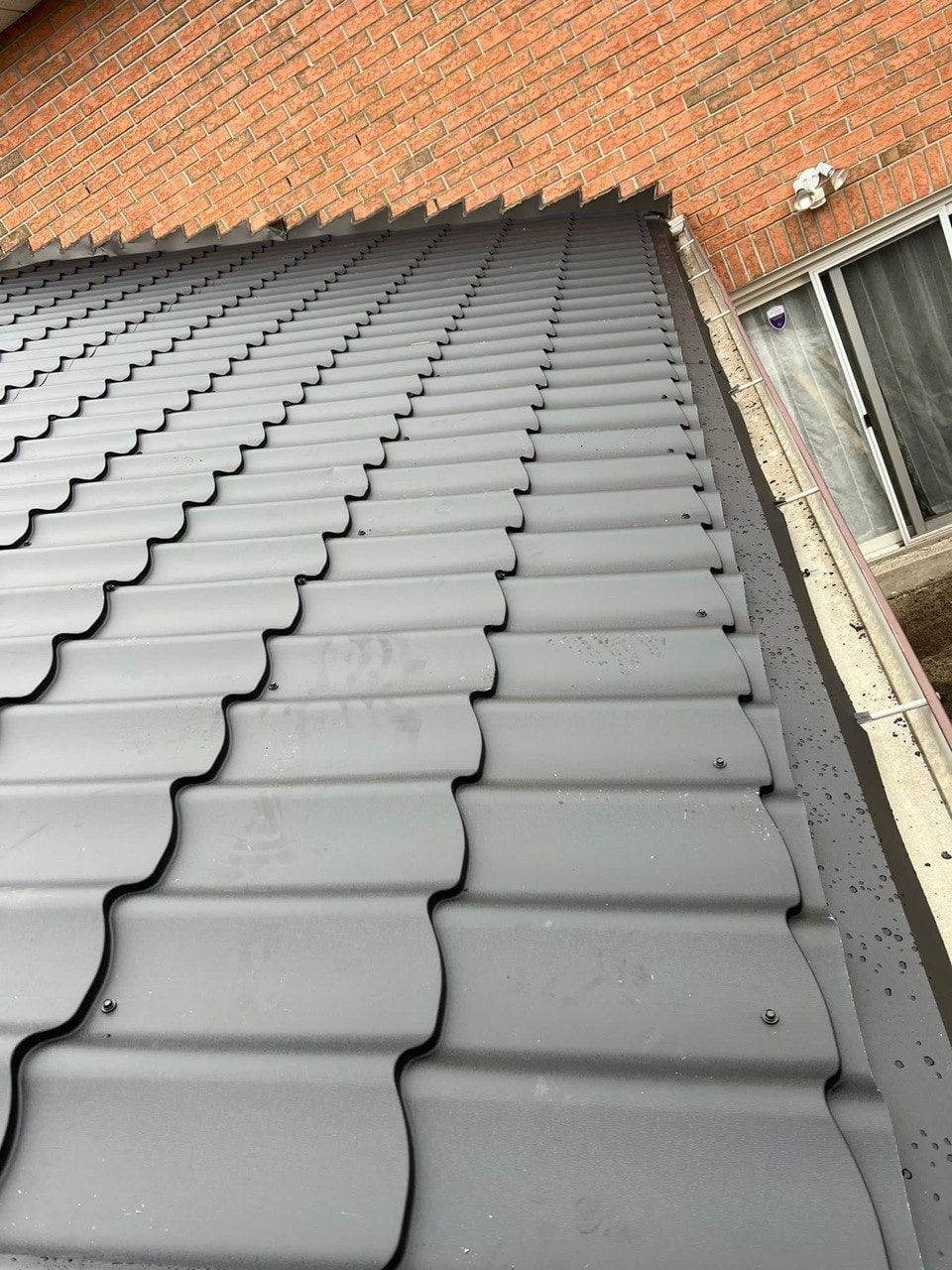
Metal Roof Installation in Ontario: Planning a Professional Project
A metal roof installation brings material, roof design and professional workmanship together as one system. For a homeowner, understanding the project means knowing what will be assessed, specified, included in the quotation and documented at completion. The installation itself belongs with qualified roofing professionals.
This guide follows the decisions involved in planning the work. It explains how an assessment becomes a clear project scope and how the selected roofing system connects with preparation, flashings, ventilation and future ownership.

Start with a professional property assessment
Book a detailed, property-specific on-site assessment and describe the outcome you want from the project. A replacement, addition and new build can start from different conditions. Share plans for skylights, solar equipment or other changes so they can be considered with the roofing scope.
The roofing team establishes measurements, geometry, existing conditions and relevant interfaces. Interior floor area is not a reliable substitute for measured roof area. The assessment provides the basis for material quantities and the work proposed.
You do not need to access the roof, take roof measurements or diagnose the assembly yourself. Existing project documents and information about planned building work can help the professional discussion. Technical decisions should follow the assessed property and applicable product requirements.
Select the roof system and architectural direction
Standing Seam roofing is the first profile to consider for clean vertical lines and a concealed-fastener design. The proposed seam system, panel layout and supporting assembly should suit the measured roof rather than being chosen from appearance alone.
MROOF's brochure lists Modern Metal Profile separately as an option with a Standing Seam look. Keep those product names distinct. A similar appearance does not establish the same seams, fastening or installation requirements.
Compare MROOF's other metal roofing profiles where a tile-inspired pattern better suits the intended exterior. Record the actual product, colour and trim selection before comparing final quotations.
Put the material selection in writing
The quotation should identify the panel material, thickness or gauge, protective coating, finish and colour offered for the roof. Ask which product and supplier information supports that selection. A specification described for another profile should not automatically be transferred to the chosen system.
Discuss the material together with its installation requirements. Panel support, movement provisions and fastening arrangements depend on the actual product. The professional design should connect those requirements with the assessed roof and surrounding building components.
The roofing materials guide provides background for this conversation. Use it to understand the questions to ask while keeping the property's final specification in the written proposal.
Get your metal roof price in 48 hours
A MROOF estimator calls you back the same business day to book the free on-site measurement.
Define preparation and complete-system work
For replacement roofing, confirm what will be removed, retained, prepared and disposed of. Existing roof conditions and the selected product determine the appropriate approach. The quote should explain the process for assessing and approving additional preparation if conditions become visible during professional work.
The supporting assembly and underlayment belong in the same scope as the panels. Avoid assuming that every product uses the same base or that existing roofing can always remain. The contractor should explain the approach proposed for the actual assembly.
Custom flashings connect panels with edges, valleys, walls, chimneys and skylights. Their scope should be understandable before work begins. This makes two quotations easier to compare and connects the finished appearance with the complete roof design.
Coordinate ventilation and roof-mounted equipment
Ventilation planning relates to the actual attic or roof assembly. The roofing profile does not determine one universal design. The contractor should identify the relevant coordination and explain when another qualified professional's input is part of the project.
Raise planned solar equipment, snow-retention components and other additions during the assessment. Compatibility, loads, attachment and detailing need to be checked for the selected system. Separate roofing responsibilities from electrical, equipment or glazing responsibilities where different specialists are involved.
This coordination supports durable performance and a clear division of work. It does not require homeowners to adjust ventilation, select fastening details or undertake roof work.
Agree on price, communication and changes
Compare the measured scope, selected material, preparation, flashings, disposal and cleanup beside the total price. Confirm applicable tax, payment milestones, quotation validity, exclusions and allowances. A lower total can reflect a different scope rather than equivalent work at a lower price.
Establish the project contact and how scheduling changes will be communicated. Weather, materials and property-specific work influence the sequence. Any later change should be described and approved in writing before the additional work proceeds.
MROOF's quote-comparison guide helps organize that review. Its completed projects provide context for discussing comparable profiles and installation scopes.
Complete the project with useful records
The handover should include the agreed scope, final material selection, approved changes, invoice and supplied completion photographs. Retain applicable care information and a clear contact for future service questions. These records describe the roof as installed.
Later additions should follow the same coordinated approach. Share the selected system information with qualified professionals planning equipment or alterations. A well-documented assembly is easier to understand throughout ownership and supports a roof intended for long service.
Frequently asked questions
What should I prepare before an estimate?
Describe the project, preferred profile and any planned building or roof-mounted equipment changes. Share existing relevant documents. The roofing professional handles the roof assessment and measurements.
Can metal roofing always be installed over old roofing?
The appropriate approach depends on existing conditions, the selected product and the proposed assembly. Ask the contractor to specify removal, retention and preparation for the assessed property.
What makes a Standing Seam installation different?
The selected seam system, panel runs, movement provisions, support and custom interfaces need coordinated planning. The exact product requirements guide those decisions.
What should a complete quotation include?
The specified material, measured work, preparation, supporting assembly, flashings, relevant coordination, disposal, cleanup, financial terms and written change process should be clear.
Who handles future changes to the roof?
Qualified roofing and equipment professionals should coordinate later alterations. Keep the final system information available so new work can be planned around the existing assembly.
Get your metal roof price in 48 hours
A MROOF estimator calls you back the same business day to book the free on-site measurement.