
Ontario Snow-Load Basics for Homeowners: What the Building Code Means for Metal Roofing Design
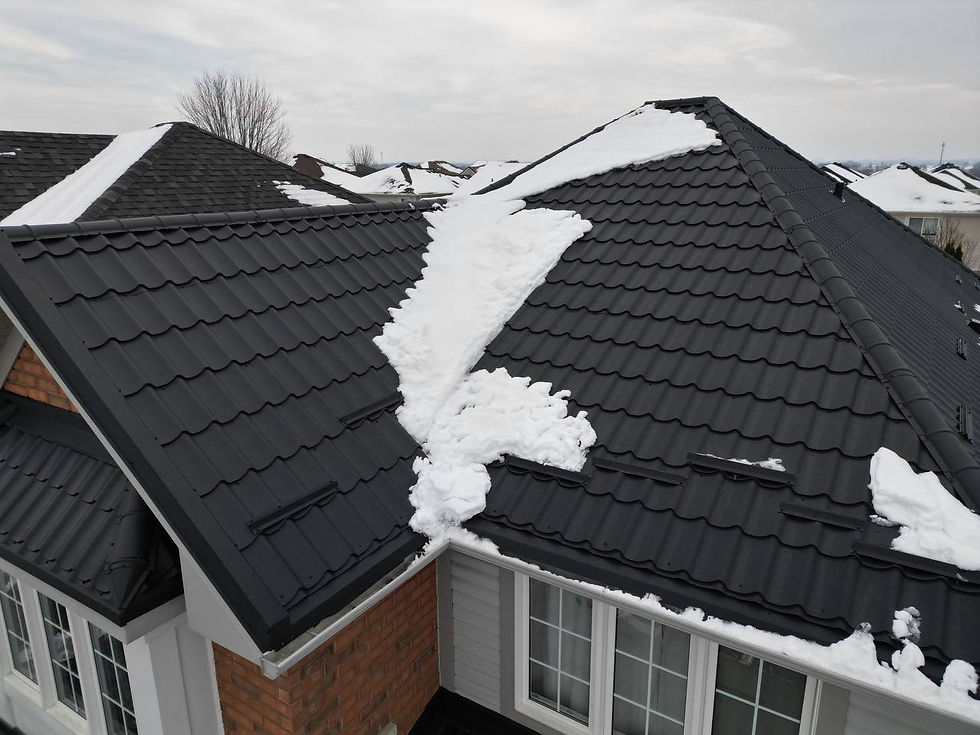
Ontario winters can dump a lot of snow in a short time, and your roof is the first line of defense. If you’ve ever wondered what “snow load” actually means - or why the building code matters - it comes down to one thing: making sure your roof system is built to handle real winter weight safely, year after year. For homeowners considering or already enjoying a metal roof, understanding snow load and the nuances of the Ontario Building Code is not just a technicality - it’s a vital aspect of ensuring your home's safety, longevity, and structural integrity. This guide simplifies these complex requirements, empowering you with the knowledge to make informed decisions about your metal roofing project.
Understanding Snow Load: More Than Just the Weight of Snow

What exactly is "snow load"?
Snow load refers to the downward force exerted by accumulated snow and ice on a roof. It's not simply the weight of snow itself, but a complex calculation that accounts for various factors that can increase or decrease this pressure. This force is measured in kilopascals (kPa) or pounds per square foot (psf) and is a critical consideration in roof design, especially in regions prone to heavy snowfall like Ontario.
Factors influencing snow load on your roof
Several variables impact the actual snow load a roof experiences. Geographical location is paramount; areas further north or those situated in specific snow belts naturally experience heavier snowfall. Roof pitch plays a significant role - flatter roofs tend to accumulate more snow than steeply pitched ones, which encourages shedding. Snow drifting, caused by wind patterns, can create uneven snow distribution, leading to localized areas of extreme load. Exposure to wind can also affect accumulation, with sheltered areas often holding more snow. The type of snow (wet vs. dry) also impacts its density and, therefore, its weight.
Why it's particularly important for Ontario homes
Ontario experiences a wide range of winter conditions, from moderate snowfall in the south to very heavy accumulations in northern and central regions. This climatic reality makes proper snow load consideration non-negotiable for any homeowner. Ignoring these factors can lead to structural damage, compromised roof integrity, and potentially dangerous situations, emphasizing why understanding residential snow load in Ontario is so important.
The Ontario Building Code: Your Guide to Safe Roofing Design

Key sections of the Code pertaining to snow load for residential structures
The Ontario Building Code (OBC) is the provincial regulation that sets out minimum standards for the design and construction of buildings. For residential structures, Part 4 (Structural Design) and Part 9 (Housing and Small Buildings) contain critical provisions for snow loads. These sections dictate how design snow loads are to be calculated, considering factors like ground snow load, rain-on-snow surcharge, and roof shape coefficients. These requirements ensure that new and renovated roofs are built to safely withstand the maximum anticipated snow accumulation in a given area, preventing structural failure and ensuring the safety of occupants.
How the Code calculates design snow loads for different regions, especially the GTA

The OBC outlines specific ground snow load values for different municipalities across Ontario. These values are derived from historical meteorological data. Engineers and designers then use these ground snow loads, along with various modification factors (such as those for roof slope, exposure, and thermal effects), to arrive at the specific "design snow load" for a particular roof. For homeowners in the Greater Toronto Area (GTA), while average snowfall might seem manageable, the Building Code accounts for extreme weather events, ensuring that roofs are designed to safely handle peak snow accumulation, not just the average. Does the GTA have different snow load calculations than other parts of Ontario? Yes, the specific ground snow load values can vary by municipality, and these are factored into the overall design snow load calculations, making local expertise invaluable.
Homeowner responsibility: Why compliance isn't just for contractors
While contractors are responsible for building to code, homeowners ultimately bear the responsibility for ensuring their property is safe and compliant. Understanding the basics of snow load and the OBC empowers you to ask the right questions, verify credentials, and ensure that your metal roofing project meets all necessary standards. Compliance isn't just about avoiding fines - it's about protecting your investment, your family, and your peace of mind.
To explore compliant metal roofing options and ensure your home meets all safety standards, connect with local experts.
Metal Roofing & Snow: Design Considerations for Optimal Performance

Advantages of metal roofing in snowy conditions
Metal roofing stands out as an excellent choice for snowy climates due to several inherent advantages. Its smooth, hard surface naturally promotes snow shedding, reducing the accumulation that can lead to high snow loads. This self-shedding property can alleviate stress on the roof structure and minimize the need for manual snow removal, which can be hazardous. Furthermore, metal roofs are exceptionally durable and resistant to the freeze-thaw cycles that can damage other roofing materials, ensuring a longer lifespan with low maintenance requirements even through harsh winters.
Critical design elements for metal roofs under snow load
While metal roofs are advantageous, their performance under snow load is also heavily dependent on proper design and installation. Panel type matters, with standing seam metal roofs often preferred for their robust interlocking systems that offer superior resistance to uplift and provide a continuous surface for snow shedding. Fastening systems must be engineered to securely attach the panels to the sub-structure, resisting the forces of snow, ice, and wind. The sub-structure itself (rafters, trusses, decking) must be adequately sized and reinforced to support the design snow load. Proper ventilation is crucial to prevent ice damming, which can trap snow and lead to water infiltration, even on metal roofs. What design features make a metal roof better for heavy snow? Beyond the material itself, it's the engineered system of panels, fasteners, and robust substructure that ensures optimal performance.
Snow guards and their role in safety
While metal roofs shed snow efficiently, this can sometimes create a sudden avalanche effect, posing a hazard to people, landscaping, and property below. Snow guards are small, strategically placed devices installed on the roof to hold snow in place, allowing it to melt gradually rather than sliding off all at once. They are a critical safety feature, especially over entryways, walkways, and landscaping, managing the shedding process for controlled snow release.
Specifics for GTA Homeowners: Localized Concerns
Are there unique challenges or code interpretations in the Greater Toronto Area?
For homeowners in the Greater Toronto Area, specific considerations regarding snow load often revolve around the density of urban and suburban environments. While the fundamental Ontario Building Code calculations apply across the province, the proximity of structures, pedestrian traffic, and unique microclimates within the GTA can influence risk factors related to snow shedding and accumulation. For instance, properties with smaller lot sizes or close neighbors might require a more deliberate approach to snow management, including the strategic use of snow guards to protect adjacent properties or pedestrian walkways. Local zoning bylaws, while not directly related to snow load calculation, can influence design choices.
The value of local expertise in your metal roofing project
Given these nuances, the value of working with a local roofing contractor who possesses deep expertise in the GTA cannot be overstated. An experienced local professional will be intimately familiar with the specific ground snow load data for your municipality, common architectural styles that might impact snow accumulation, and any localized challenges. They can also provide invaluable insights into best practices for metal roof design for snow in Ontario, ensuring your project is compliant, safe, and tailored to your home’s unique environment.
Ensuring Compliance: What to Ask Your Roofing Contractor

Choosing the right contractor is paramount for ensuring your metal roof meets all snow load requirements. Here are essential questions to ask:
"How do you calculate the specific design snow load for my property based on the Ontario Building Code?"
"Can you provide details on the structural components (e.g., fasteners, sub-structure) that will be used to meet these snow load requirements for a metal roof?"
"What experience do you have with metal roofing installations in Ontario's climate, specifically concerning heavy snow loads and ice prevention?"
"What type of metal panels do you recommend for optimal snow shedding and durability in this region, and why?"
"Do you recommend snow guards for my specific roof design and property layout, and where would they be installed?"
"Will you provide documentation confirming that the roof design and installation meet all applicable OBC standards for snow load?"
Asking these questions will help ensure you're working with a qualified professional who prioritizes safety and compliance. Do I need a professional assessment for snow load on my existing metal roof? If you have concerns about an older roof or one that has experienced issues, a professional assessment is highly recommended.
Key Takeaways / Summary Points:
Snow load is a critical factor for roof structural integrity, especially in Ontario.
The Ontario Building Code sets mandatory snow load requirements for all residential roofs.
Metal roofing offers excellent performance in snowy conditions when designed and installed correctly.
Homeowners in the GTA must consider local snow load specifics and experienced contractors.
Always consult with qualified professionals to ensure code compliance and safety.
Secure Your Home This Winter and Beyond
Understanding Ontario's snow load basics and their impact on metal roofing design is essential for any homeowner. By recognizing the critical role of the Ontario Building Code and partnering with experienced professionals, you can ensure your home is well-protected against winter's challenges. A well-designed and installed metal roof not only enhances your home's curb appeal but also provides enduring safety and peace of mind for decades to come.
Ready to ensure your home is secure this winter? Contact our experts today for a personalized consultation or a free estimate on metal roofing design and installation that meets Ontario's stringent snow load requirements.

