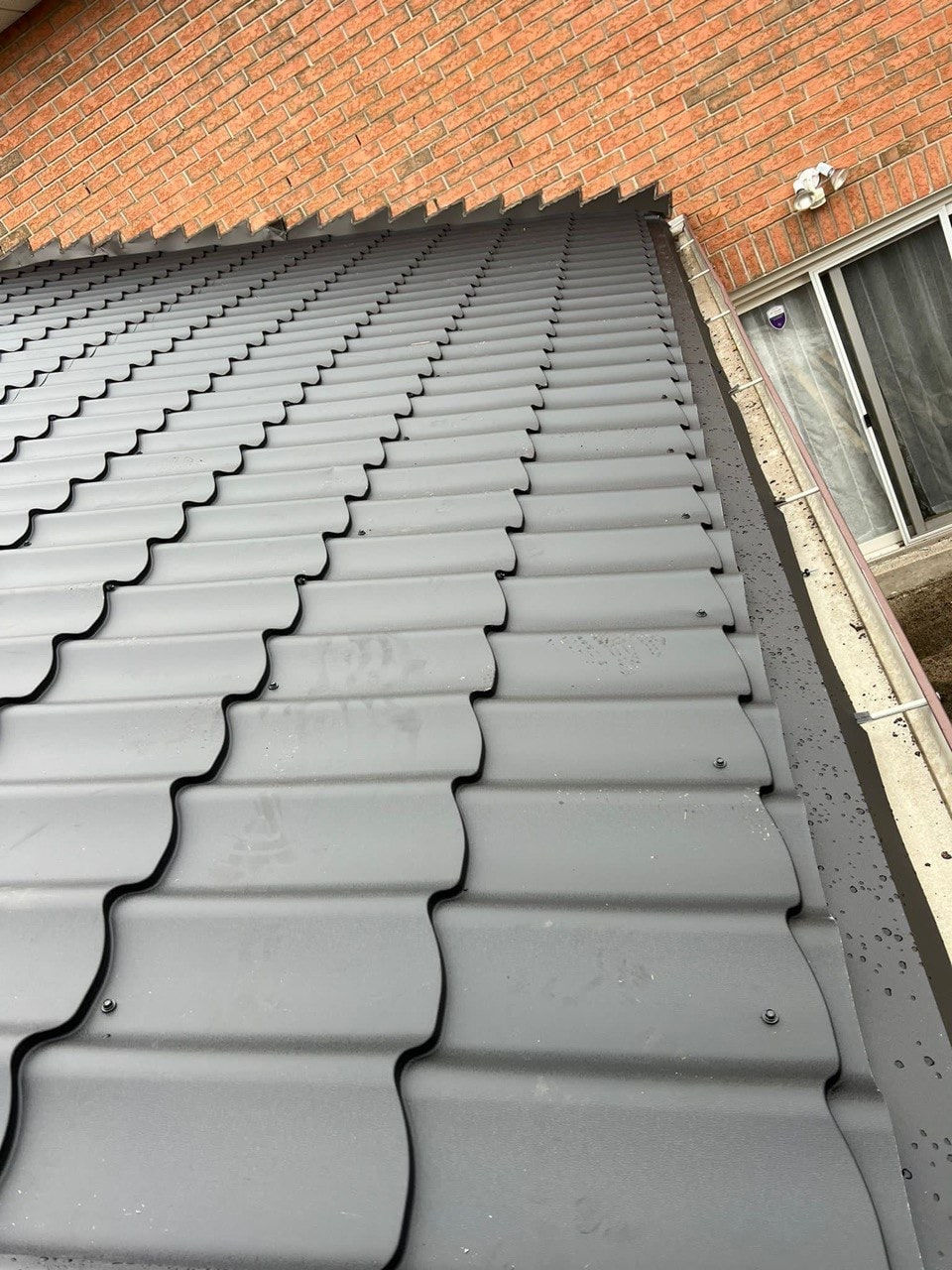
Spring Metal Roof Inspection Checklist (Ontario/GTA): What to Look For (Especially After ~10 Years) + When to Call a Pro
When You Actually Need a Post-Winter Metal Roof Check in Ontario/GTA
Metal roofs are built for Canadian winters — and a properly installed system typically won’t require frequent inspections in the first decade. That said, spring is the moment when winter-related issues (ice pressure, freeze-thaw movement, snow drift stress, and hidden leaks) become easiest to spot. If your metal roof is around 10 years old or more, has had past repairs, or you’ve noticed any warning signs (drips, staining, loose trim), a professional post-winter check is a smart, low-risk way to protect the roof for the long haul.
The 10-Year Mark: The Best Time for a Professional Check-Up
For most homeowners, the goal isn’t “inspect every year” — it’s to catch the rare issue before it turns into interior damage. If your roof is newer and performing well, a quick ground-level scan after winter is usually enough. But once a metal roof reaches roughly 10+ years, spring is an ideal time for a professional inspection because sealants, flashings, and edge details have had years of thermal movement. A proper check at this milestone can confirm everything is still tight, dry, and draining correctly.
Proactive vs. Reactive: Protecting Your Investment
Waiting for a leak to appear is the expensive way to learn something shifted. A targeted metal roof inspection GTA, especially around the 10-year mark, helps you catch small issues early (loose trim, aging seals, minor flashing gaps) before they become structural damage or mould. Think of it as a milestone check, not a recurring chore.
Homeowner Post-Winter Check
This checklist is designed to be completed without going onto the roof. Roof access can be dangerous, and it’s not necessary for a useful homeowner check. Use binoculars from the ground or a safe upper window view, and focus on visible changes since last season. If anything looks questionable, book a professional inspection.
Safety First: Essential Precautions for Any Roof Inspection
Do not climb onto the roof. Limit your review to ground-level sightlines, binoculars, or views from inside/upper windows. If you need closer verification (flashings, seams, penetrations), call a qualified metal roofing contractor who can inspect with the right equipment and procedures.
Exterior Visual Check: Panels, Fasteners, and Seams (Look for lifting, rust, punctures)
From the ground (binoculars help) or from a safe upper-window vantage point, scan the roof surface. What should you look for after winter in Ontario? Focus on:
Panels: Look for any visible dents, dings, or punctures, especially from falling ice or debris. Check for discoloration or fading, which could indicate weathering.
Fasteners: Are any screws or clips loose, missing, or rusted? Loose fasteners are a common culprit for leaks and can be exacerbated by winter winds and freeze-thaw cycles.
Seams: Examine the seams where panels join. Are they tight and secure, or do you see any separation or lifting? This is a critical area for water penetration.
Rust: While metal roofs are generally rust-resistant, prolonged exposure to moisture, especially where coatings might be compromised, can lead to rust spots. Address these early to prevent further corrosion.
Flashing and Penetrations: Vents, Chimneys, Skylights (Check for cracks, seal integrity)
Flashing is crucial for preventing water intrusion around roof penetrations.
Vents, Chimneys, Skylights: Inspect the flashing around these elements for cracks, tears, or signs of deterioration. Caulking and sealants can degrade over winter, losing their elasticity and creating pathways for water. Ensure that all seals appear intact and pliable.
Gutters and Downspouts: Ensuring Clear Drainage (Snow and ice damage, debris)
The functionality of your gutters and downspouts directly impacts your roof's health.
Debris: Clear any accumulated leaves, twigs, or shingle granules that may have collected over winter. Blocked gutters can lead to water backup onto the roof.
Damage: Look for physical damage to gutters or downspouts caused by heavy snow and ice. Are they bent, detached, or leaking at the seams? Proper drainage is essential to prevent water from pooling near your foundation.
Attic Inspection: Detecting Hidden Leaks from Within
This internal check is often overlooked but provides vital clues about your roof's performance.
Water Stains: In your attic, look for any water stains on the underside of the roof decking, insulation, or rafters. Even small stains indicate a leak that needs immediate attention.
Mould/Mildew: Check for any signs of mould or mildew, which can develop in damp conditions caused by leaks.
Light: On a sunny day, look for any pinpricks of light coming through the roof. This indicates a hole or gap.
Common Metal Roof Issues Found After Winter in Ontario
Ontario’s freeze-thaw cycles and snow/ice events can reveal issues — but that doesn’t mean you need yearly inspections forever. How often should metal roofs be inspected after winter in the GTA? If your roof is newer and problem-free, a simple ground-level scan after major winters is usually enough. Plan a professional inspection around the 10-year mark (or sooner if you see staining, drips, loose edge metal, or corrosion), and after major events like windstorms, ice storms, or impact from falling branches.
Ice Dam Damage and Snow Load Stress: Beyond the Visible Surface
Can heavy snow and ice dams damage a metal roof? Absolutely. Persistent snow loads can put immense stress on the entire roof structure, potentially leading to panel deformation or stress on fasteners. Ice dams, formed when melting snow refreezes at the colder eaves, are particularly insidious. They can prevent proper drainage, forcing water under panels and flashing, leading to leaks, even on well-installed metal roofs. Look for tell-tale signs like warped gutters or water stains extending unusually far up exterior walls.
Rust, Corrosion, and Weathering: Addressing Environmental Wear
While modern metal roofs are treated for rust resistance, prolonged exposure to moisture, road salts, and pollutants can accelerate weathering. Areas where the protective coating has been scratched or worn down are particularly vulnerable to rust. Fading and chalking of the paint finish are also signs of weathering that, while often cosmetic, can indicate a need for maintenance.
Loose or Missing Components: Fasteners, Trim, and Edge Details
Winter winds, combined with the expansion and contraction from freeze-thaw cycles, can loosen or even dislodge critical components. Pay close attention to:
Fasteners: As mentioned, these are a common weakness.
Trim: Check ridge caps, gable trim, and eaves trim for secure attachment.
Edge Details: Ensure all edges are tightly sealed and properly overlapping to prevent wind uplift and water infiltration.
When to Call a Professional: Identifying Serious Damage & Expert Assistance in the GTA
While a DIY inspection helps you stay on top of basic maintenance, there are clear instances when professional expertise is non-negotiable. Is it better to inspect my metal roof myself or hire a professional? For anything beyond a simple visual check, a professional is highly recommended.
Clear Signs That Warrant Immediate Professional Intervention
What are the signs that my metal roof needs professional repair?
Extensive Rust or Corrosion: Widespread rust, particularly if it's pitting the metal.
Significant Panel Damage: Large dents, punctures, or deformed panels.
Persistent Leaks: Any evidence of water entry in your attic or interior.
Compromised Seams: Obvious separation or lifting of large sections of seams.
Structural Concerns: Sagging rooflines or unusual sounds from the attic.
Widespread Loose Fasteners: If many fasteners are loose or missing, it indicates a systemic issue.
Ice Dam-Related Interior Damage: If ice dams led to leaks inside your home.
The Dangers and Limitations of DIY Beyond Visual Checks
Beyond the safety risks, a DIY inspection might miss underlying issues that require a trained eye and specialized tools. Homeowners often lack the experience to differentiate between minor wear and a significant structural concern. Attempting complex repairs without proper knowledge can invalidate warranties, cause further damage, or worse, lead to injury.
What a Professional Metal Roof Inspection Entails (Comprehensive assessment, detailed reporting)
A professional metal roof inspection GTA goes far beyond a visual scan. Experts use specialized equipment to detect subtle damage, assess the integrity of every component, and understand how the unique Ontario climate affects your specific roofing material. They provide a comprehensive assessment, often including detailed reports with photos, outlining any required roof repair services GTA and providing transparent information on professional roof inspection cost Ontario. This thoroughness ensures nothing is overlooked and you receive accurate recommendations. If you've identified any concerning signs during your DIY check, or simply prefer an expert assessment, Contact Us for Expert Advice.
Choosing a Qualified Metal Roofing Professional in Ontario/GTA
Selecting the right professional is as important as the inspection itself. For homeowners in the GTA, local expertise is invaluable.
Key Questions to Ask Your Potential Roofer
When seeking a professional for your spring metal roof inspection GTA, ask:
Are you licensed and insured in Ontario?
Do you specialize in metal roofing?
Can you provide local references?
What does your inspection process involve?
Do you provide a written report and estimate?
What warranties do you offer on repairs?
Importance of Local Experience, Certifications, and Warranties
A roofer with extensive experience in Ontario and the GTA will understand the specific challenges posed by the region's climate. Look for certifications from recognized industry bodies. Robust warranties on both materials and workmanship provide protection and peace of mind, underscoring the roofer's confidence in their quality of work.
Conclusion: Secure Your Home's Future with a Spring Roof Check
After enduring another challenging winter in Ontario, a thorough spring metal roof inspection checklist Ontario is not just a suggestion - it's an essential part of responsible homeownership. These vital checks help homeowners in the GTA protect their investment, ensuring their metal roof continues to perform effectively for decades to come.
Remember these key takeaways:
Spring inspections are crucial after Ontario winters.
A DIY checklist covers visual basics, but safety is paramount.
Look for specific signs of damage like rust, loose fasteners, and flashing issues.
Severe damage or complex issues require professional expertise.
Choosing a local, certified professional ensures quality and peace of mind.
Don't let the subtle signs of winter wear become major problems. Be proactive this spring.
Schedule Your Professional Spring Metal Roof Inspection in Ontario/GTA Today or Request a Free Quote for Metal Roof Repair.